
The First Bite That Changed Everything
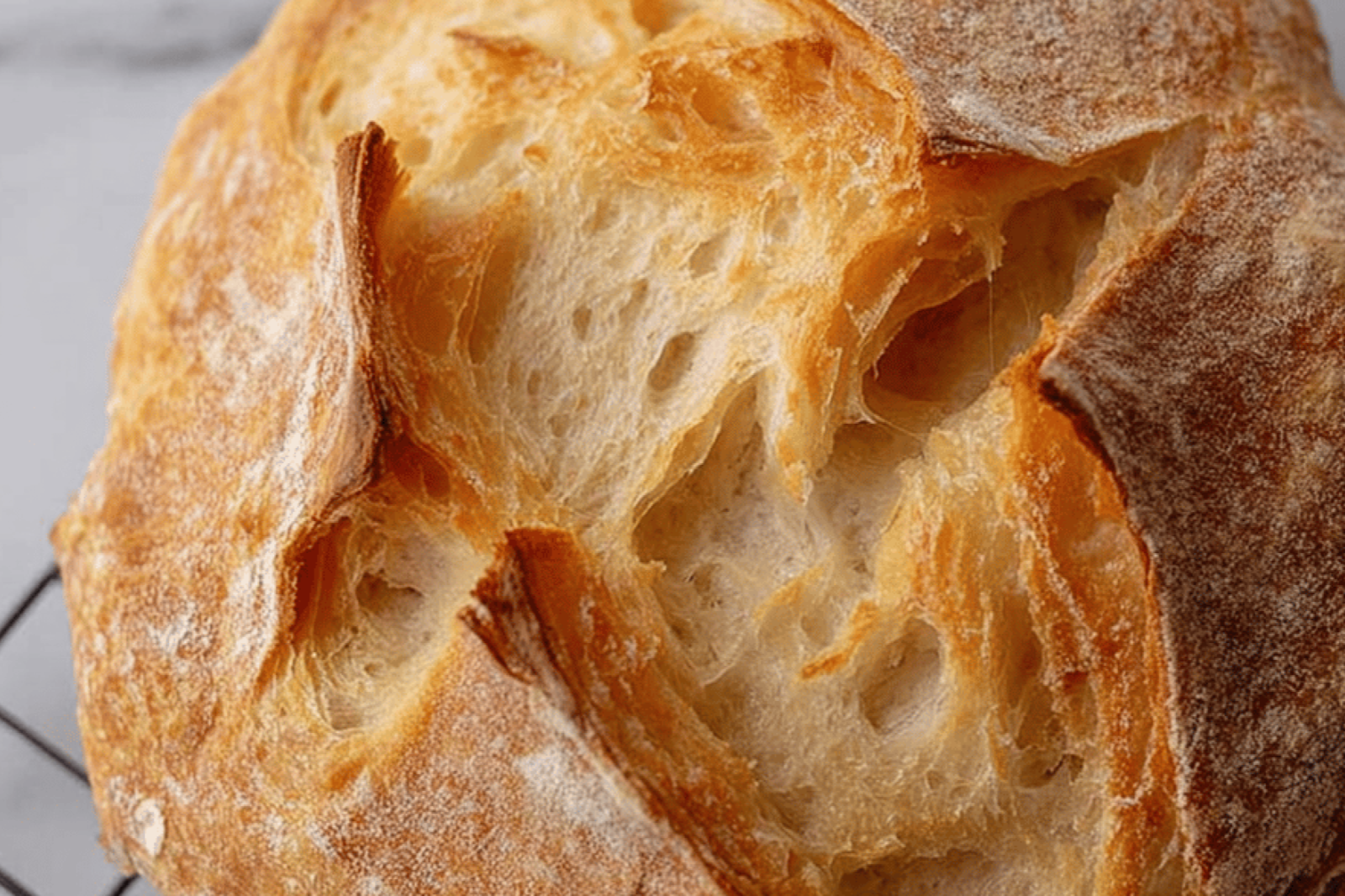
The smell hit me first—warm butter, tangy sourdough, crispy edges. I tore off a piece, and the layers flaked like golden petals. That first bite was crunchy outside, soft inside, with a rich, buttery finish. Ever wondered how to turn basic bread into something unforgettable? This recipe does it. Now, my kitchen always smells like a bakery on Sundays.My Butter Disaster Turned Happy Accident
My first try, I forgot to grate the butter cold. It melted into a greasy mess. But I kept folding, and somehow, it worked. The bread still rose, with extra-buttery pockets. Mistakes teach us patience—and that’s the magic of home cooking. Share your funniest kitchen fail below!Why This Bread Stands Out
– The sourdough starter adds a tangy depth, balancing the butter’s richness. – Layers create a croissant-like flakiness, but it’s easier to make. Which flavor combo surprises you most—tangy meets buttery, or crispy meets soft? Try it toasted with honey for breakfast.A Slice of History
This recipe mixes French croissant techniques with rustic sourdough traditions. Bakers layered butter into bread for centuries, but sourdough adds old-world charm. *Did you know?* Sourdough was likely an accident—forgotten dough caught wild yeast. Would you try a savory twist, like adding herbs?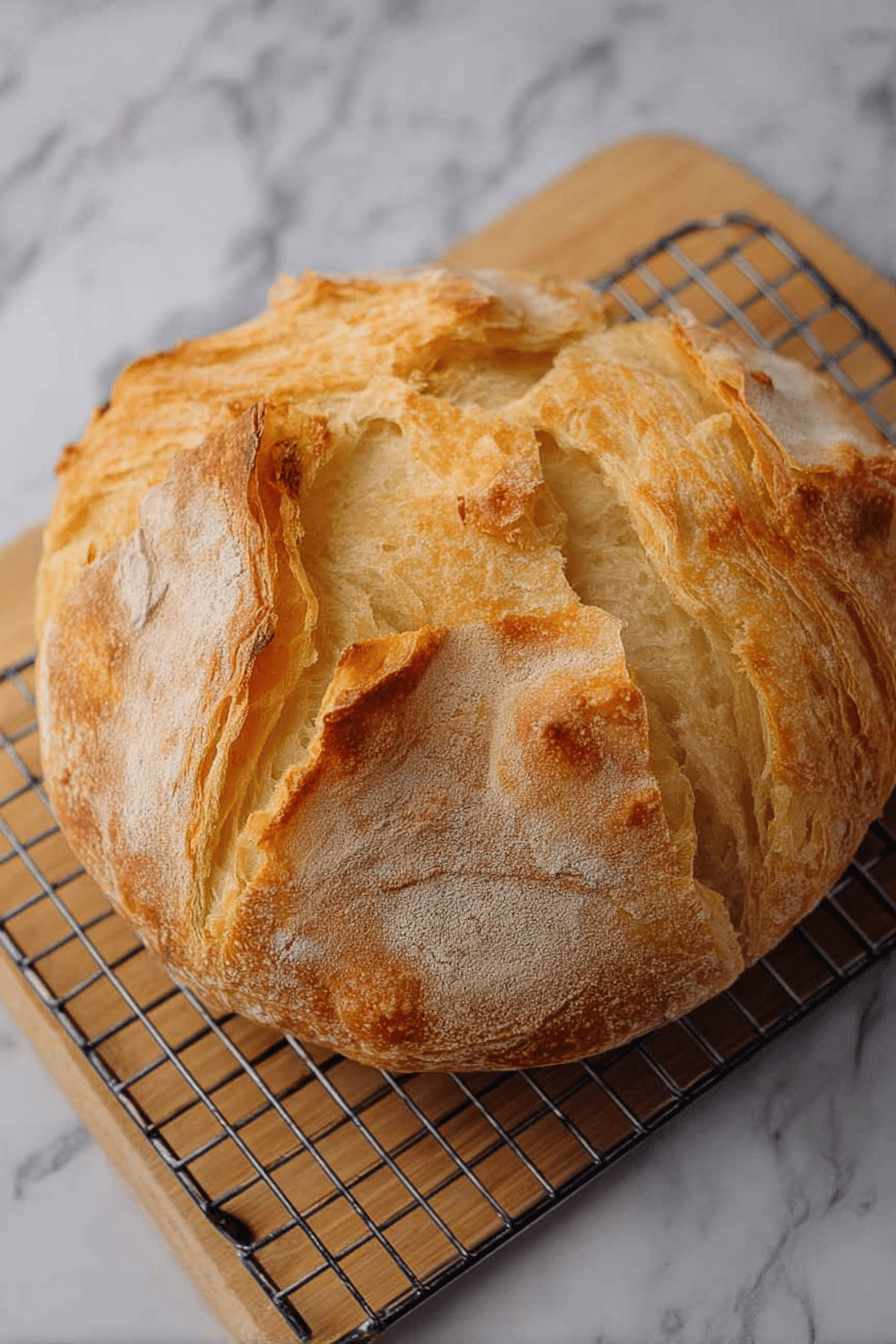
Ingredients:
| Ingredient | Amount | Note |
|---|---|---|
| Water | 350 g (about 1 ½ cups minus 1 tbsp) | room temperature |
| Active sourdough starter | 100 g (about ½ cup) | 100% hydration |
| Bread flour | 500 g (about 3 ¾ cups) | |
| Salt | 10 g (about 1 ¾ tsp) | use less if using salted butter |
| Unsalted butter | 113 g (½ cup) | cold from the freezer, grated |
How to Make Layered Butter Sourdough Croissant Bread
Step 1 Mix flour, water, starter, and salt in a bowl. Let it rest 30 minutes. This helps the dough relax. (Hard-learned tip: Use room-temp water for even mixing.)
Step 2 Do four stretch-and-folds every 30 minutes. Add grated butter in the second and third folds. Keep folds gentle to avoid tearing. *Fun fact: Cold butter creates flaky layers.*
Step 3 Let dough rise 6-7 hours until bubbly. It should grow about two-thirds in size. Patience pays off here!
Step 4 Shape dough into a rectangle, fold, and chill overnight. This slow proof deepens the flavor. (Hard-learned tip: Seal edges well to keep butter inside.)
Step 5 Bake in a hot Dutch oven 30 minutes covered. Uncover and bake 15-20 more. Cool fully before slicing. What’s your biggest bread-baking challenge? Share below! Cook Time: 7–8 hours Total Time: 18–20 hours Yield: 1 loaf Category: Bread, Baking
3 Twists on This Recipe
Garlic-Herb Mix minced garlic and rosemary into the butter. Perfect for savory lovers.
Cinnamon-Sugar Sprinkle cinnamon-sugar between layers. A sweet treat for breakfast.
Cheesy Jalapeño Add shredded cheddar and diced jalapeños. Spicy and gooey! Which twist would you try first? Vote in the comments!
Serving & Pairing Ideas
Serve warm with honey butter or jam. Pair with a crisp salad for balance. Drink ideas: Iced chai (non-alcoholic) or a light lager (alcoholic). Both cut the richness. Which would you choose tonight? Tell us below!
Storing and Reheating Your Layered Butter Sourdough
Keep your bread fresh by storing it in a paper bag at room temp for 2 days. For longer storage, slice and freeze in a zip-top bag. To revive, toast frozen slices straight from the freezer. *Fun fact*: Grated butter melts evenly, giving those flaky layers. Batch-cook tip: Double the recipe and freeze one loaf for busy weeks. Why this matters: Proper storage keeps the crust crisp and crumb tender. Ever tried freezing sourdough? Share your tricks below!Fixes for Common Croissant Bread Hiccups
Dough too sticky? Dust your hands with flour, not the dough—it absorbs excess moisture. Butter leaking out? Chill the dough longer between folds to keep it firm. Bread too dense? Check your starter’s activity by floating a spoonful in water—it should bubble. Why this matters: Small tweaks make big differences in texture. My first loaf was a brick—now I swear by the float test! What’s your biggest bread fail? Let’s laugh about it together.Your Layered Butter Sourdough Questions, Answered
Q: Can I make this gluten-free?
A: Swap bread flour for a gluten-free blend, but add 1 tsp xanthan gum for structure.
Q: How far ahead can I prep the dough?
A: Refrigerate after step 4 for up to 24 hours—flavor deepens overnight!
Q: What if I don’t have a Dutch oven?
A: Use a baking sheet with a metal bowl covering the bread for steam.
Q: Can I use salted butter?
A: Yes, but reduce added salt by half to avoid over-seasoning.
Q: Can I halve the recipe?
A: Absolutely! Adjust all ingredients evenly for a mini loaf.
Let’s Bake Together!
Nothing beats the smell of buttery sourdough filling your kitchen. Tag @SpoonSway on Pinterest with your crusty masterpieces—I’d love to see your layers! Happy cooking! —Sarah Cooper.
Layered Butter Sourdough Croissant Bread Recipe
Description
Experience the rich, buttery layers of this sourdough croissant bread, perfect for breakfast or as a side.
Ingredients
Instructions
- In a large bowl, mix together flour, water, sourdough starter, and salt until fully combined. Cover with a damp towel and let it rest for 30 minutes to allow the flour to hydrate.
- Perform four sets of stretch and folds every 30 minutes. Do the first stretch and fold without adding any butter. During the second stretch and fold, grate half of the cold butter directly over the dough and fold it in. Cover and allow it to rest for 30 minutes. On the third stretch and fold, add the remaining butter and fold again. Continue folding until the butter is well incorporated. On the fourth stretch and fold, just do the same step as the previous stretch and fold but without adding any more butter.
- Cover and let the dough rise at room temperature (70-72°F) for 6-7 hours until it has risen about 2/3 of the way and has visible bubbles that you can see at the bottom of your glass bowl.
- Lightly flour your work surface. Gently turn out the dough. Place the dough upside down from the bowl onto the floured surface. Gently flatten the dough into a rough rectangle. Fold the top third down toward the center, then fold the bottom third up over the previous fold. Rotate 90° and gently pull the edges in toward the center, tucking them under to create surface tension. Let it rest for 10-20 minutes then seal the top before covering it with plastic wrap and refrigerating overnight (8-12 hours).
- Preheat the oven to 450°F (230°C) with a Dutch oven inside for at least 30 minutes. Remove the dough from the fridge, place it on parchment paper, and score the top with a sharp blade. Transfer into the hot Dutch oven, cover, and bake for 30 minutes covered. Remove the lid, reduce the heat to 390°F (198°C) and bake for another 15-20 minutes until deep golden brown and the internal temperature reaches 200°F.
- Transfer the bread to a cooling rack as soon as it comes out of the oven and let it cool for at least 1 hour before slicing to allow the crumb to set.
Notes
- For best results, ensure your sourdough starter is active and bubbly before use. Adjust baking times based on your oven’s performance.
Sourdough, Croissant, Bread, Butter, Baking